INSPIRATION
Baishizhou, an urban village in the heart of Shenzhen, stands in contrast to towering structures of glass and steel. Led by professor Christian Grewell, a group of New York University Shanghai students embarked on a design challenge for the children of Baishizhou, using the multitude of resources available in Huaqiangbei (华强北)and invigorated by the spirit of Shenzhen innovation.
OUR RESEARCH
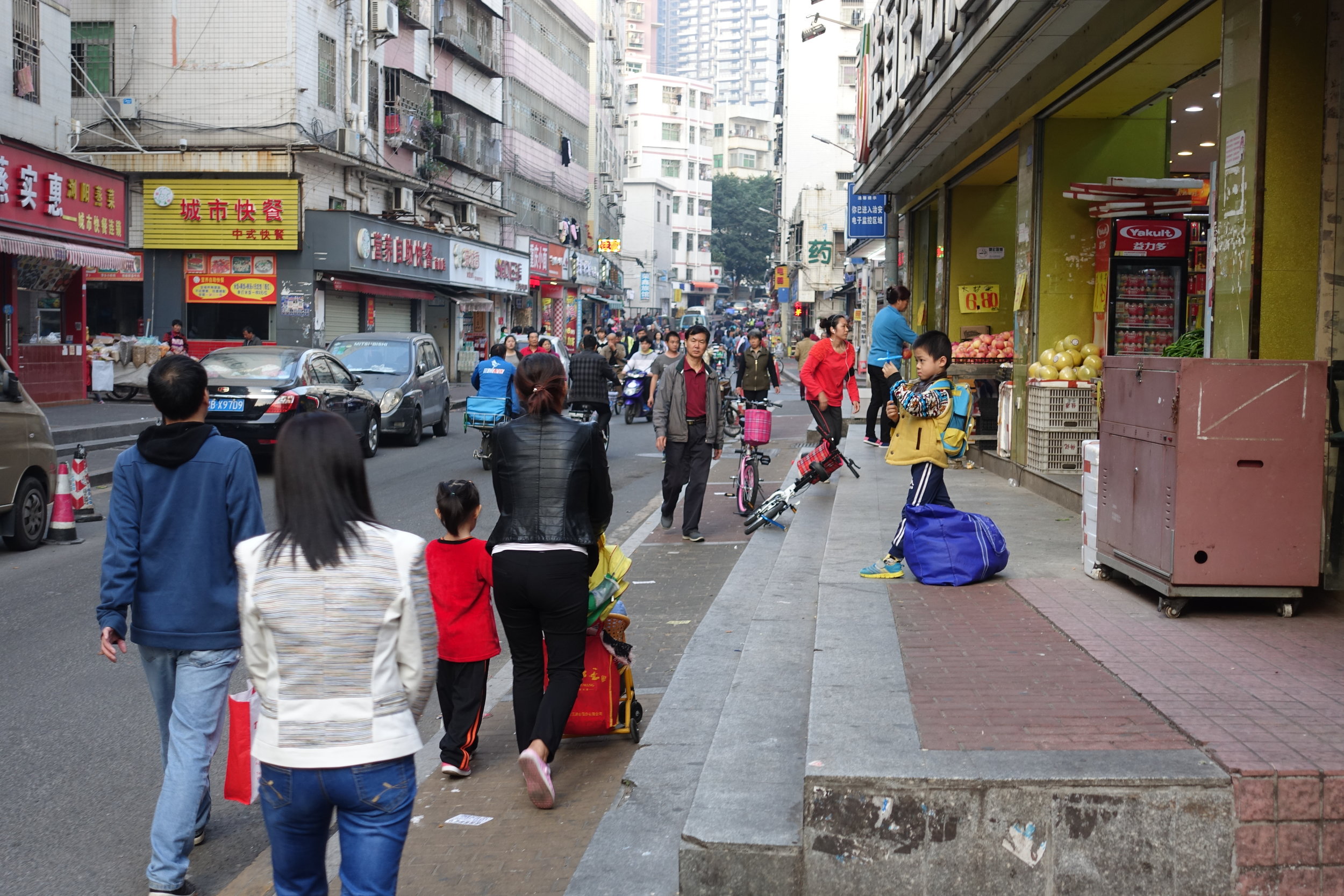
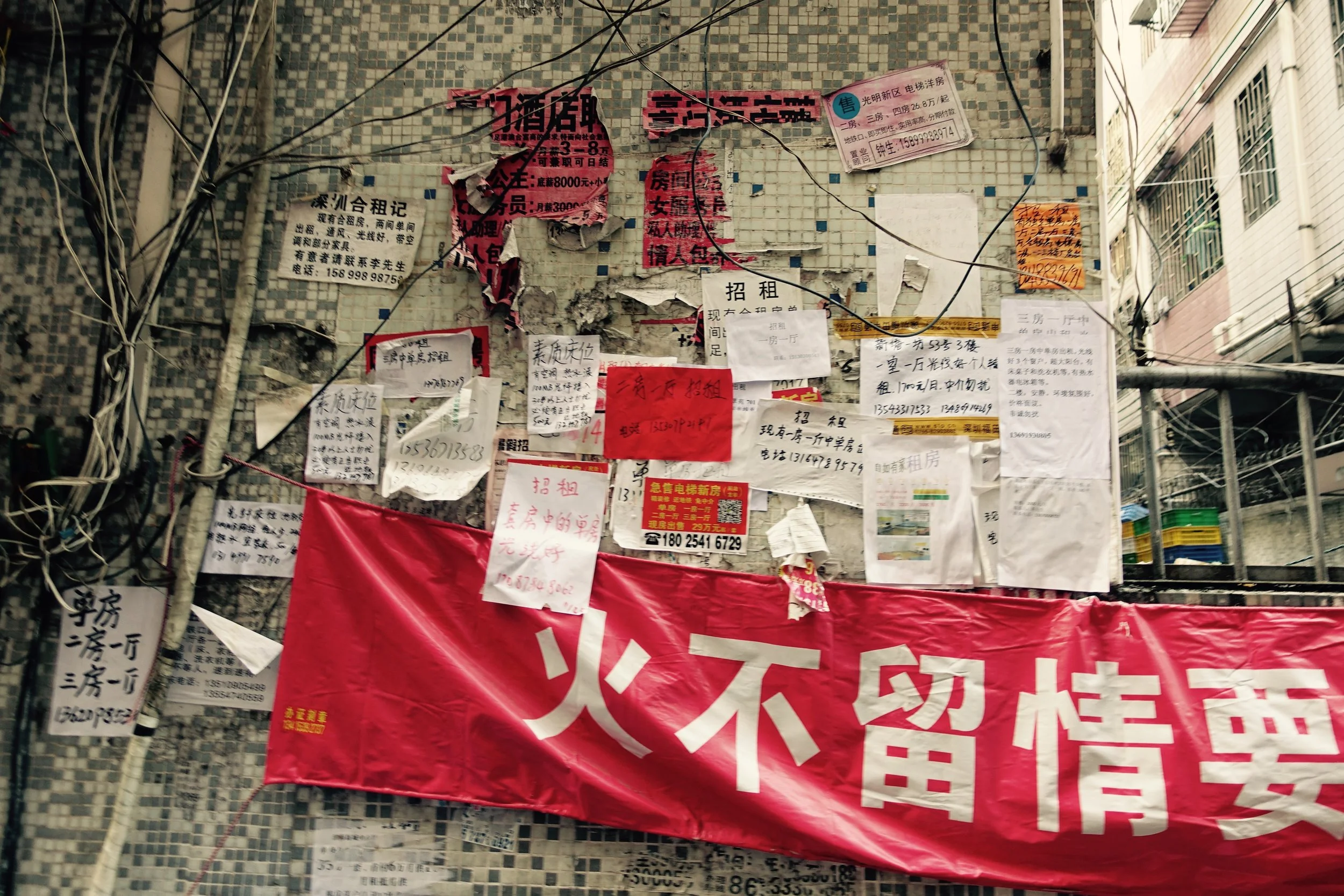
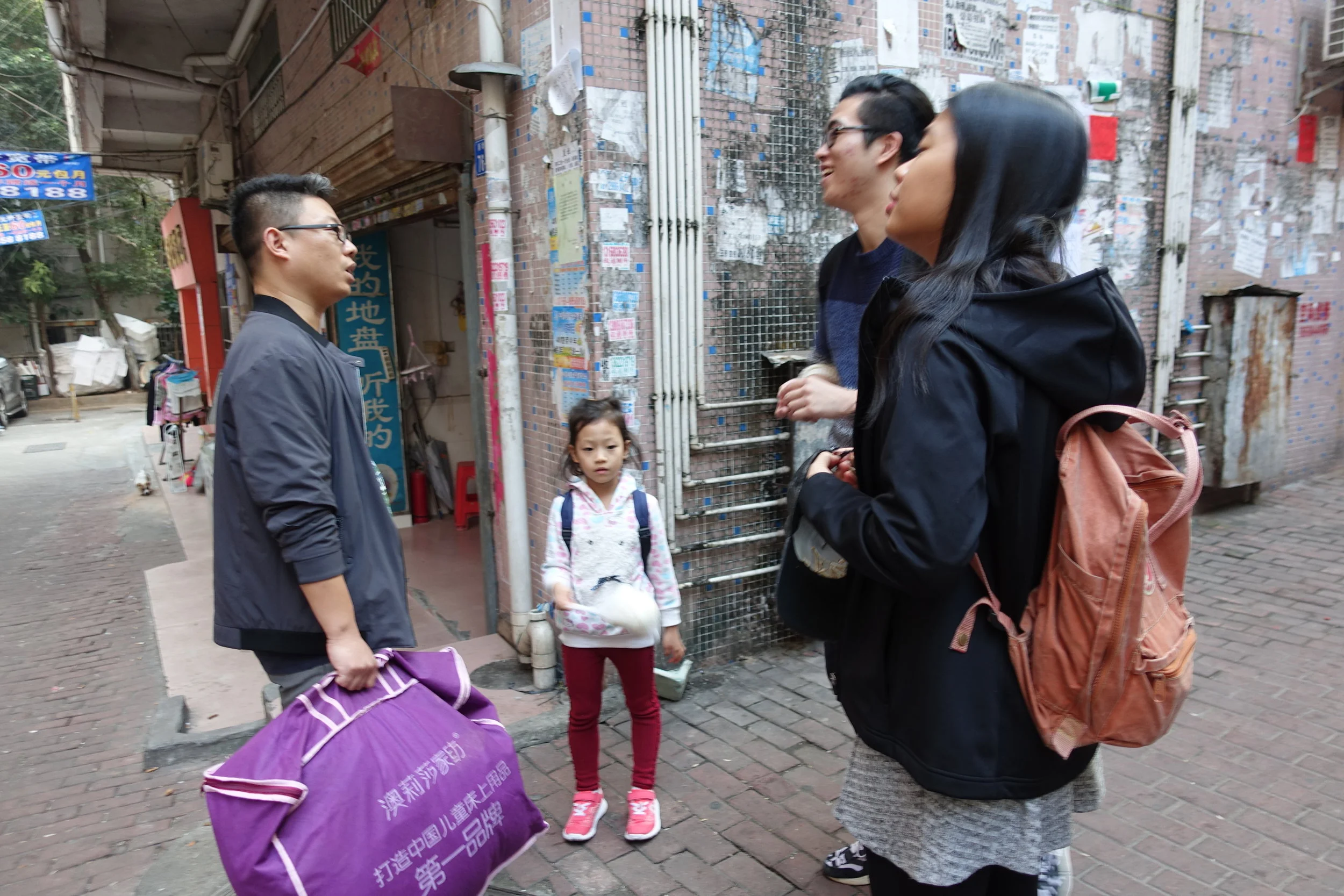
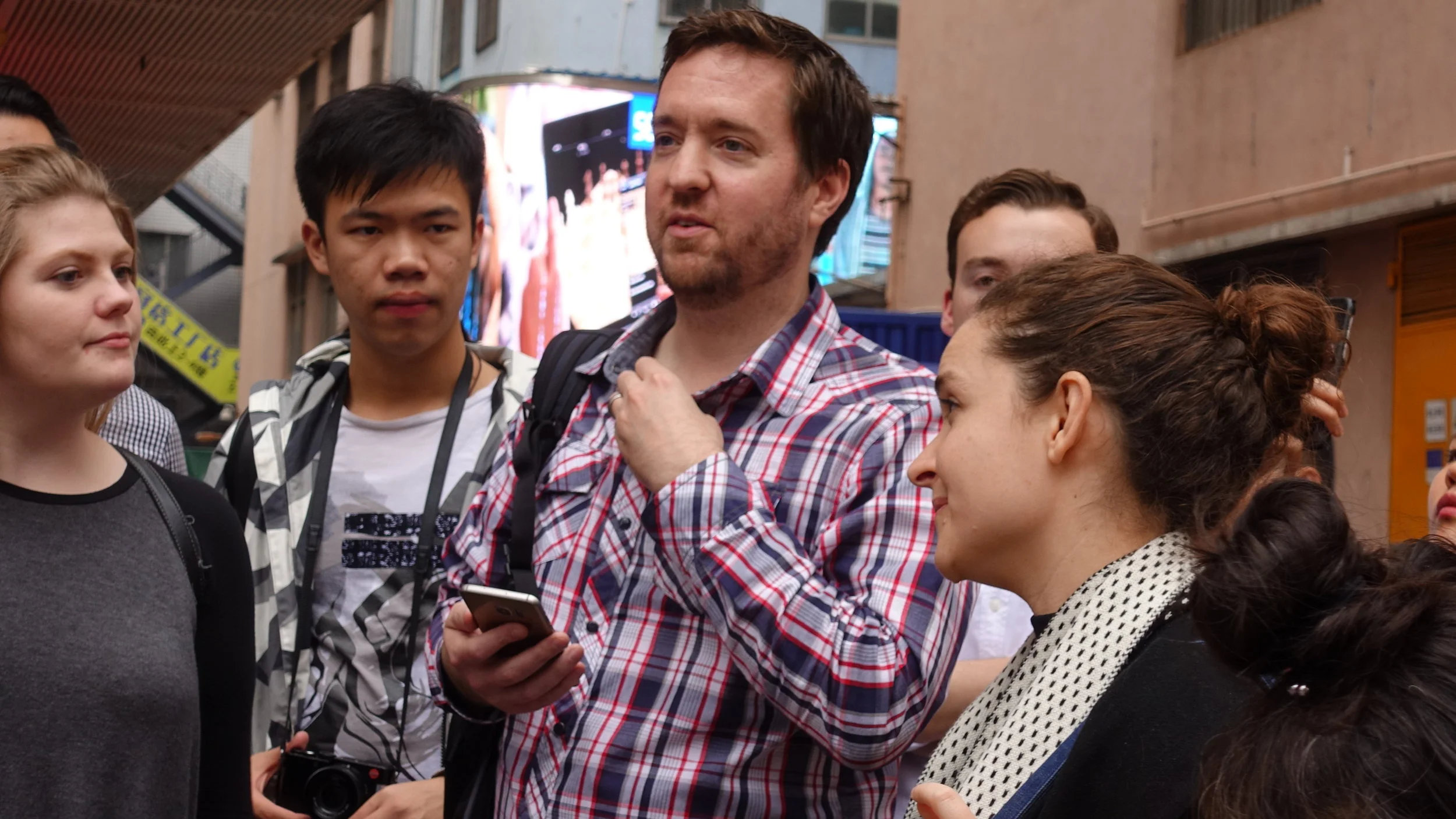
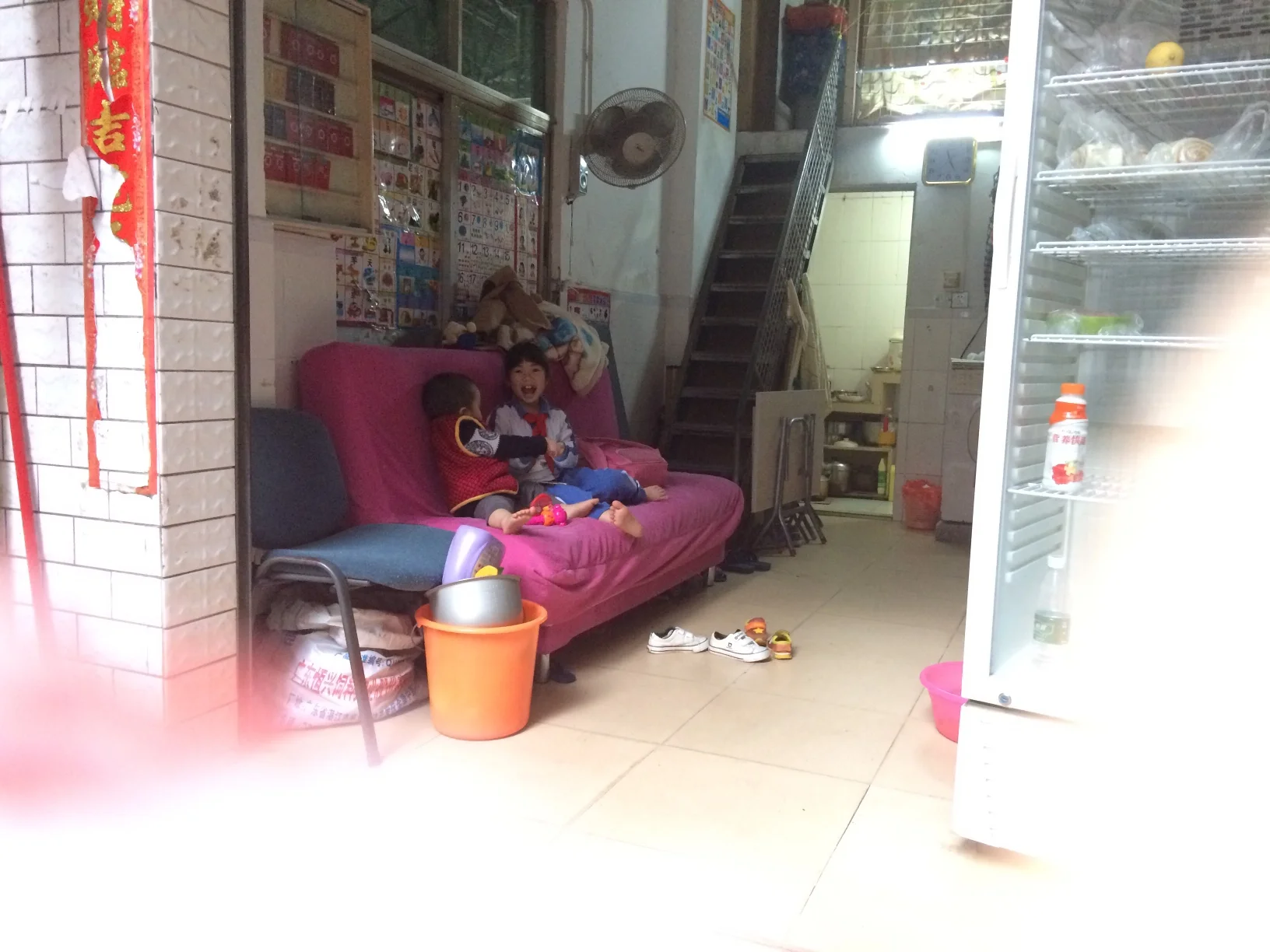
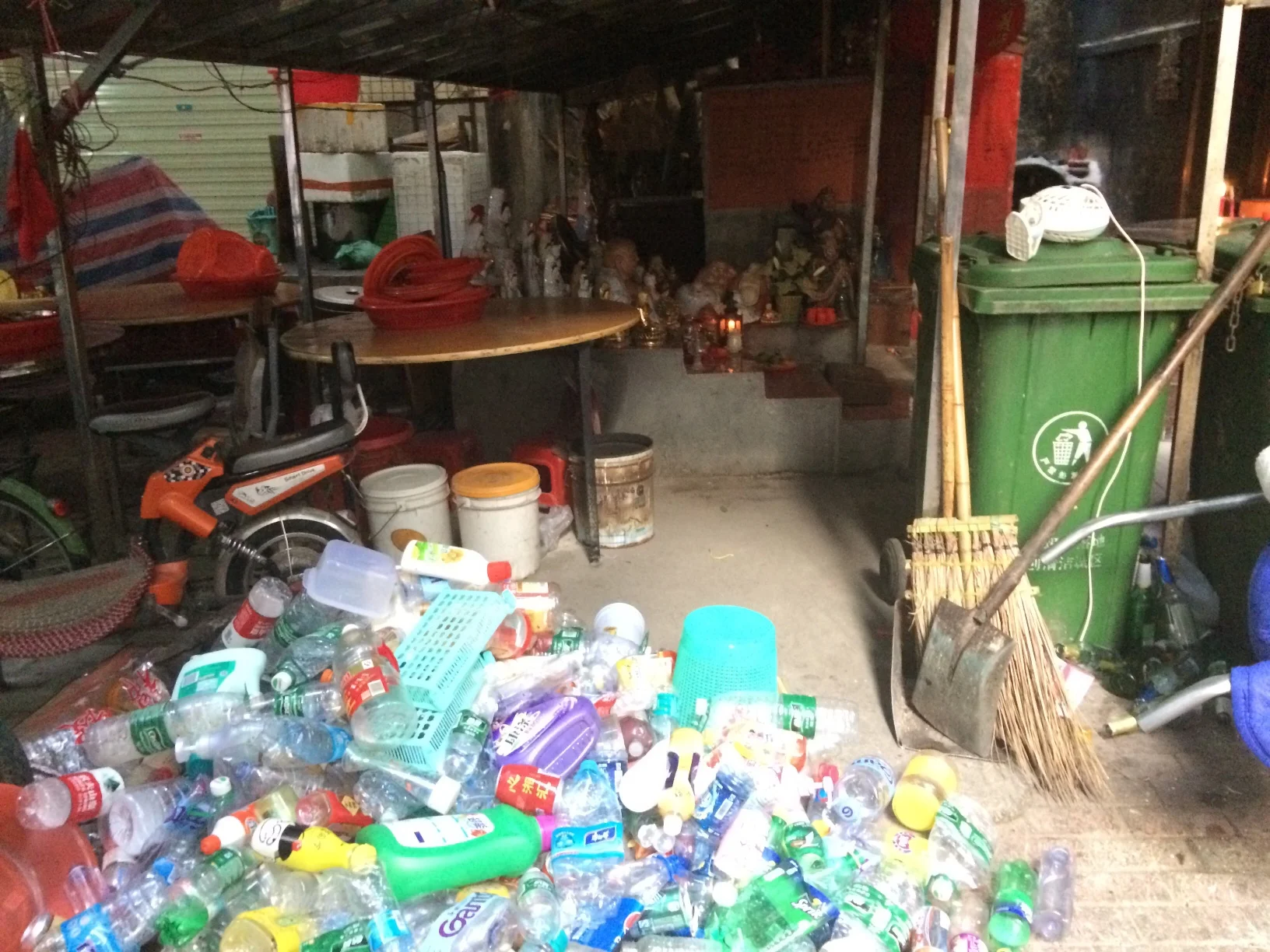
We spent a time interviewing and living the lives of the inhabitants of Baishizhou. We went on apartment viewings for migrant housing, bought food at local markets, got our hair done and gossiped with the hairdressers, and had many conversations with people of all backgrounds. From new arrivals to people who made the village what it is today.
Based on our research we determined a few key learnings about our users that drove our project.
- The population of Baishizhou is immensely young. Shenzhen's average age is decades lower than its sister cities Shanghai and Beijing. There are children everywhere.
- People seek entertainment beyond the walls of their home. Homes are small and often double as stores. Children play on bike stands, benches, and anything they can get their hands on. It is not uncommon to find 50+ people standing around a television in a shop window around 7 at night.
- You can have a much better life if you develop one specific skill. This is something that came to our attention in our interviews.
- There is a heavy tech influence in Baishizhou, because of Shenzhen.
With these learnings in mind we developed a project we think would work well with the people of Baishizhou.
OUR OUTPUT
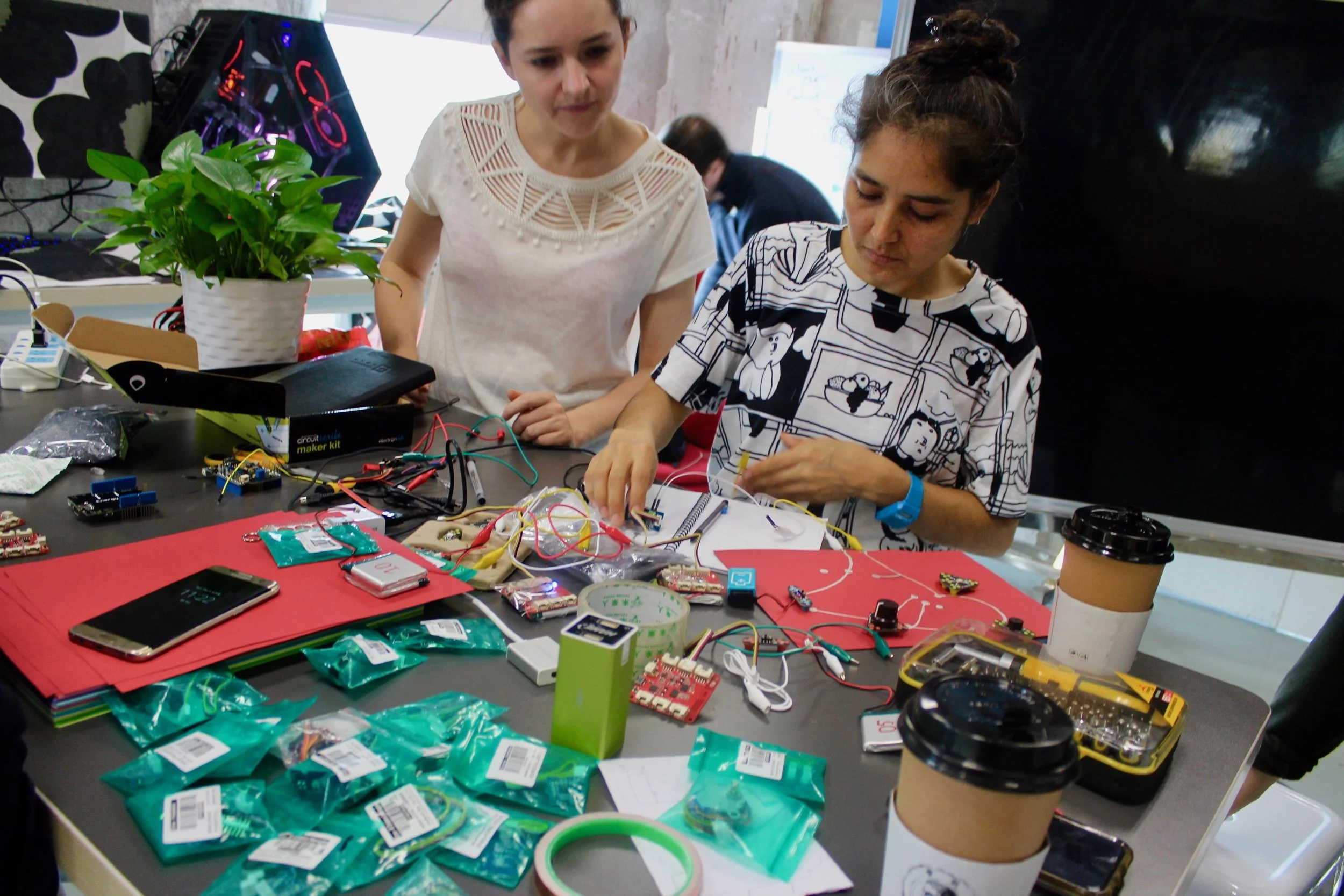
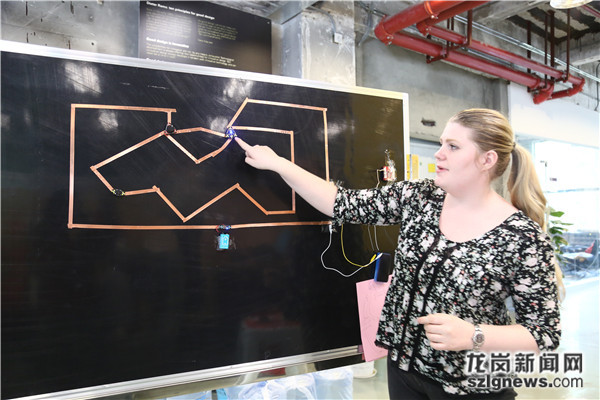
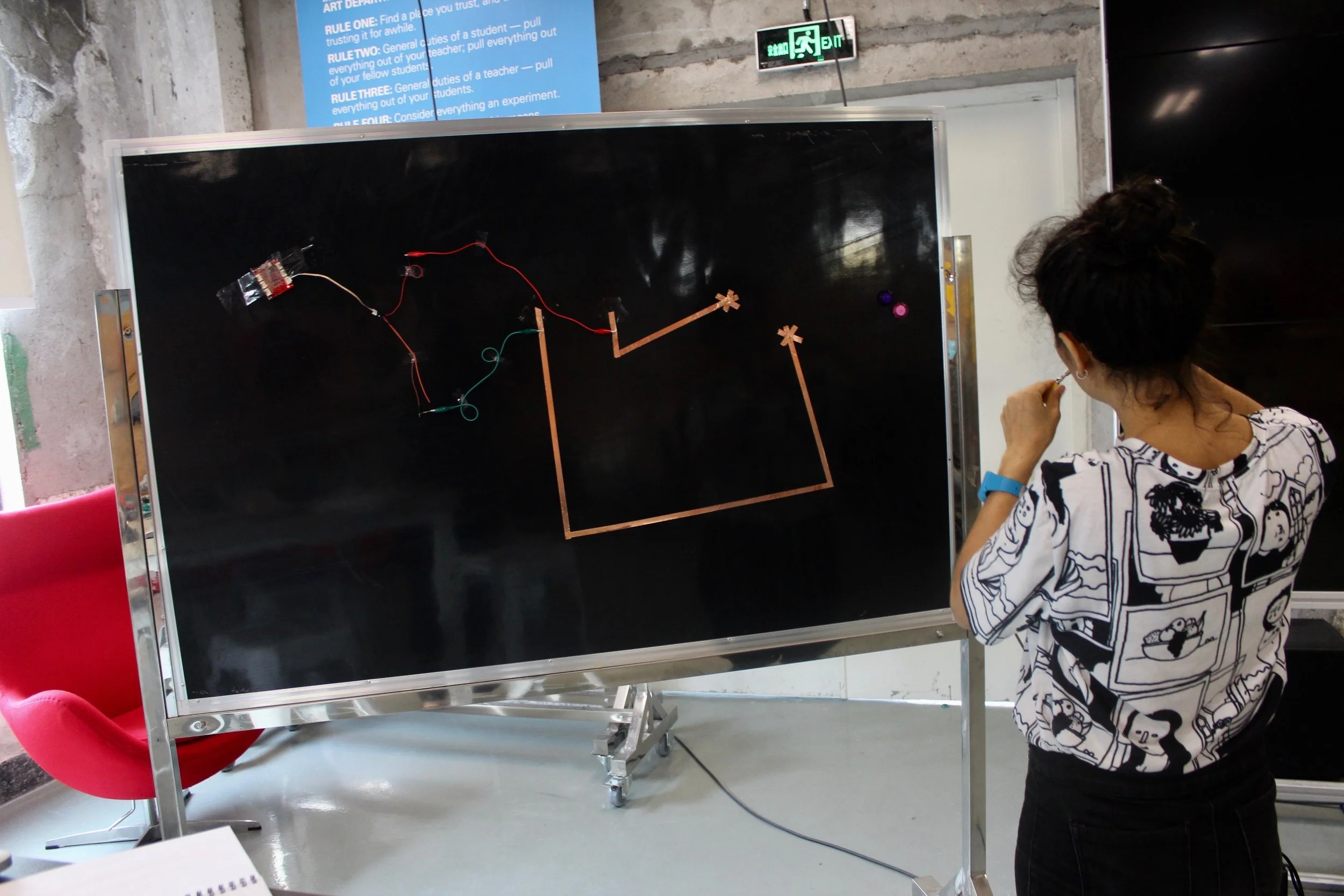
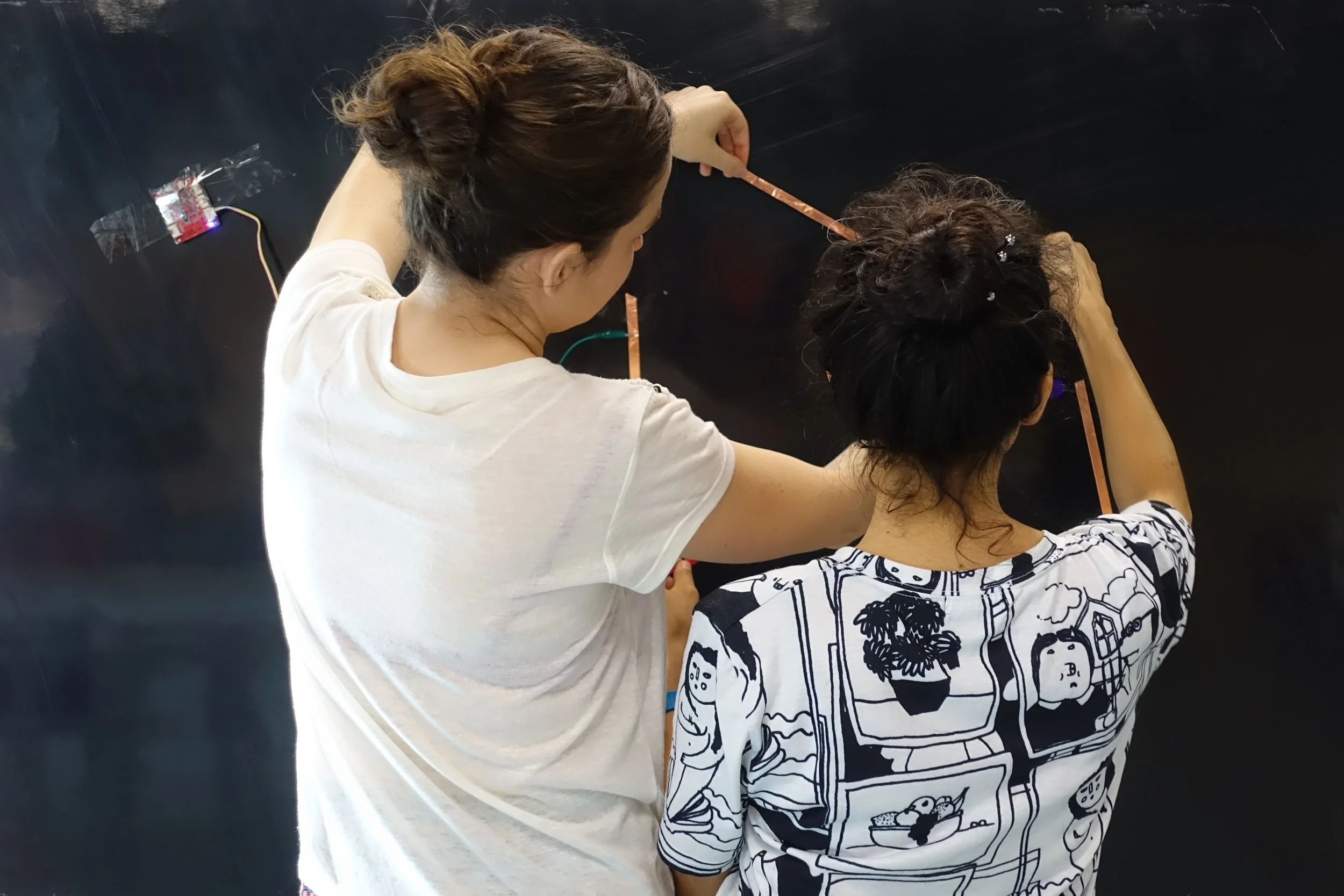
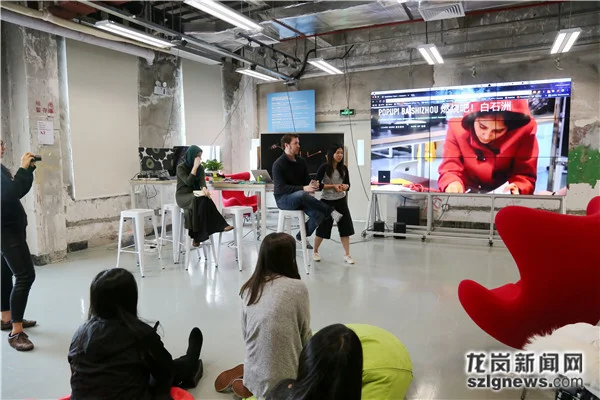
We want to hold a series of workshops designed with residents of Baishizhou to teach the basics and benefits of circuitry, the internet of things and programming through simple and fun exercises. We plan to start by creating our own interactive installations using parts readily available in Shenzhen. The workshops are designed to teach important current and future technologies. The workshops will be extremely accessible, combining everyday objects with extraordinary technology.
OUR PROTOTYPE
Our prototype is two interactive posters that communicate with each other, made from paper circuits, IoT hardware sensors and web APIs.
LEVEL ONE
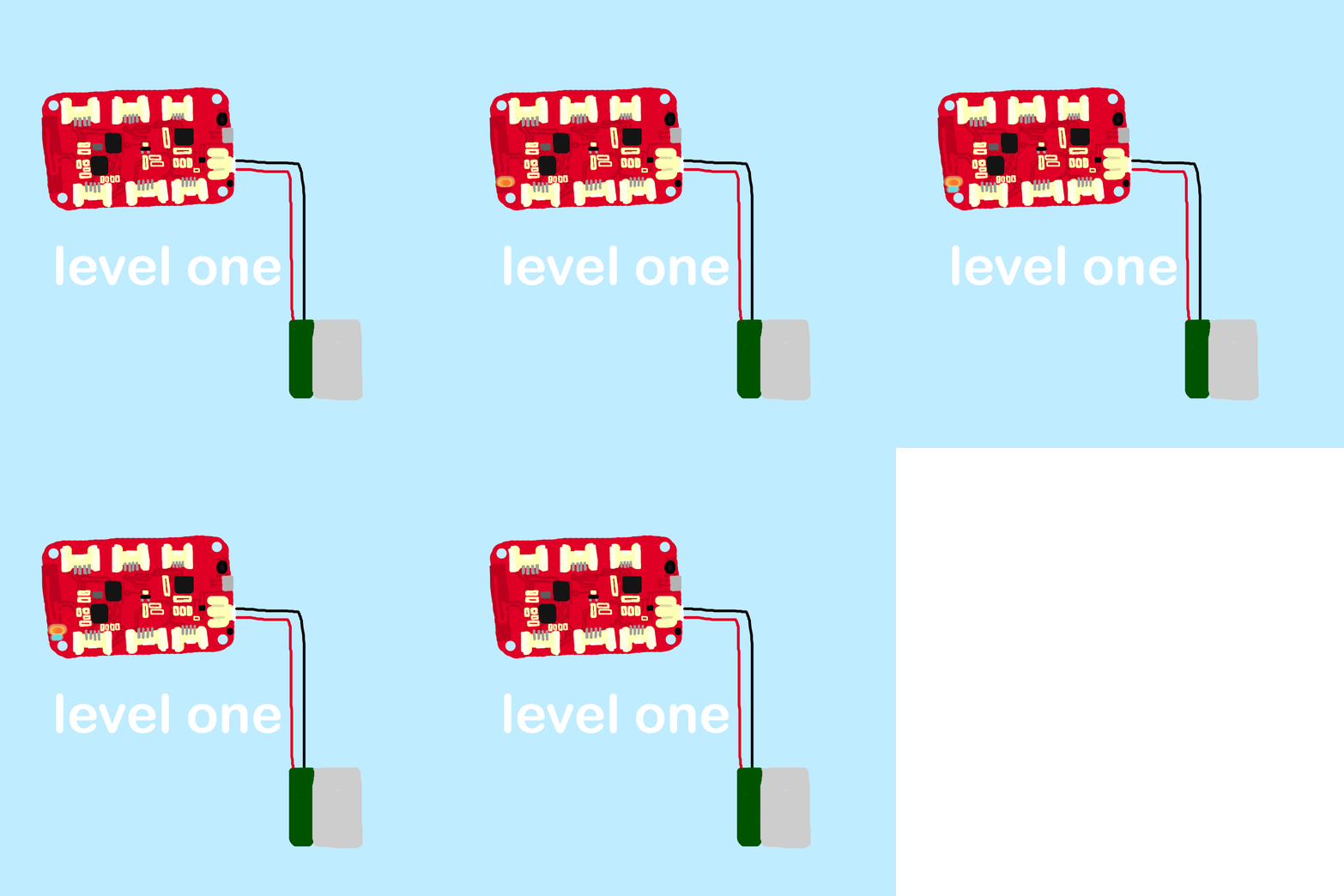
The first workshop, level one, is intended to be a fun, low-pressure introduction to important technology topics including:
- Introduction to circuits, including creating simple paper circuits from stuff we find in the neighborhood
- Creating fun interactions using internet-of-things devices
Level TWO

Level two builds upon the first level by introducing more interaction amongst the online and offline world. We'll move from paper circuits and pop-up installations towards more sturdy and scalable ideas. Some important topics include:
- Advanced sensor fusion (making sensors talk to each other)
- How to bring together online and offline services
- Making dumb things smart
LEVEL THREE
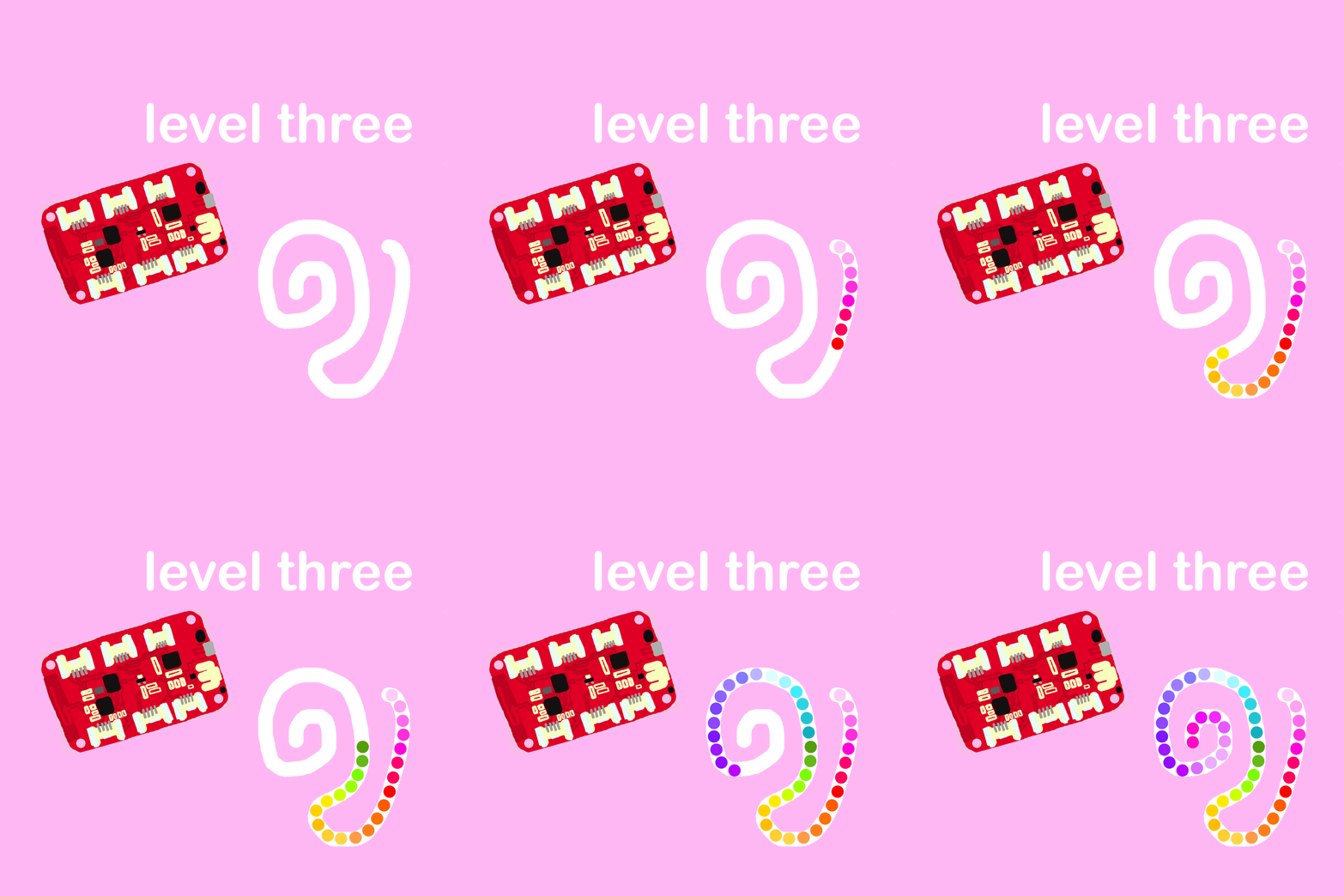
The final level combines both paper circuits and hardware with back-end and front-end web technologies. This level includes:
- Creating our own web server from scratch
- API programming
- Interactions between online and offline services and hardware (making the web talk to hardware)
Gifs by Marjorie Wang
Ethnographic Design
Circuits, APIs, Ethnographic Research
Center for innovation, Design & Entrepreneurship @ The chinese University of Hong Kong
Shenzhen, China
November 2016
CONTRIBUTION
Ethnographic Research
Community Design & Outreach
User Research
PRESS
http://www.sznews.com/news/content/2016-12/05/content_14435247.htm